
Quick Answer: An HVAC zoning system divides your home into independently controlled temperature areas using motorized dampers, a central control panel, and a thermostat for each zone. In Denver, installation typically costs between $2,000 and $5,500 depending on the number of zones and your existing ductwork. The U.S. Department of Energy estimates zoning can reduce HVAC energy usage by up to 30 percent, and in most cases it can be added to your existing central system without a full replacement.
If your upstairs bedrooms feel like a sauna every August while the main floor stays comfortable, you have already experienced the problem an HVAC zoning system is built to solve. It is one of the most common complaints from Denver homeowners, and one of the most fixable. This guide explains how zoning works, what it costs in Denver, whether your home is a good candidate, and how much you can realistically save on your Xcel Energy bill.
What Is an HVAC Zoning System and How Does It Work?
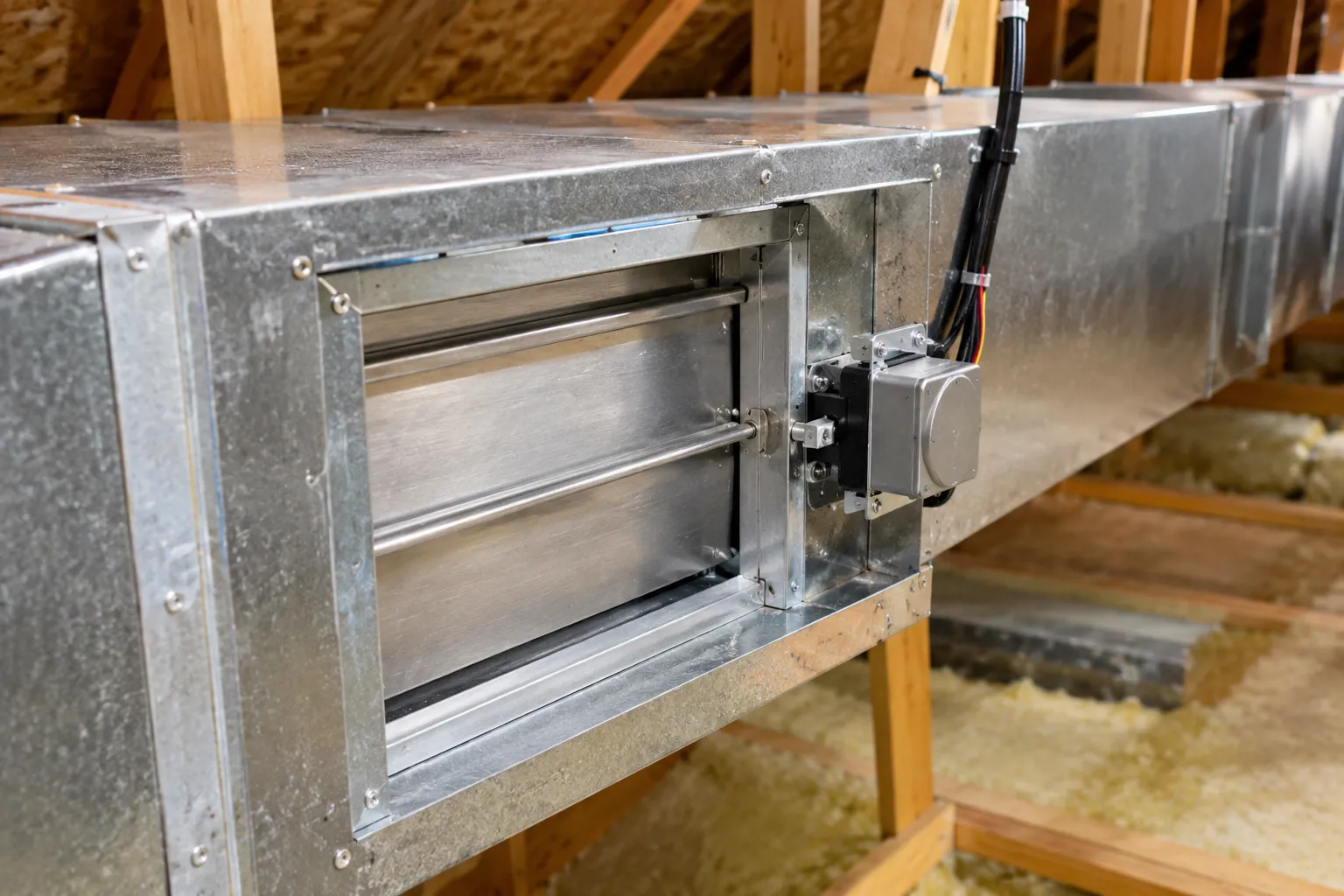
A zoning system takes your existing central HVAC equipment and makes it smarter. Instead of one thermostat controlling the whole house, each zone gets its own. When a zone calls for cooling or heating, the system’s central control panel opens or closes motorized dampers inside the ductwork to send conditioned air only where it is needed.
Think of dampers as traffic signals inside your ducts. When a zone reaches its set temperature, its damper closes and airflow redirects to zones that still need it, delivering precise room-by-room comfort without running separate HVAC units.
The Three Core Components
| Component | What It Does |
| Motorized zone dampers | Open and close inside ductwork to direct airflow to each zone |
| Zone control panel | The system brain that coordinates dampers and equipment |
| Individual thermostats | One per zone, independently set by the occupant |
Is Your Denver Home a Good Candidate for Zoning?
Denver’s housing stock and climate create several situations where zoning delivers an immediate, obvious improvement.
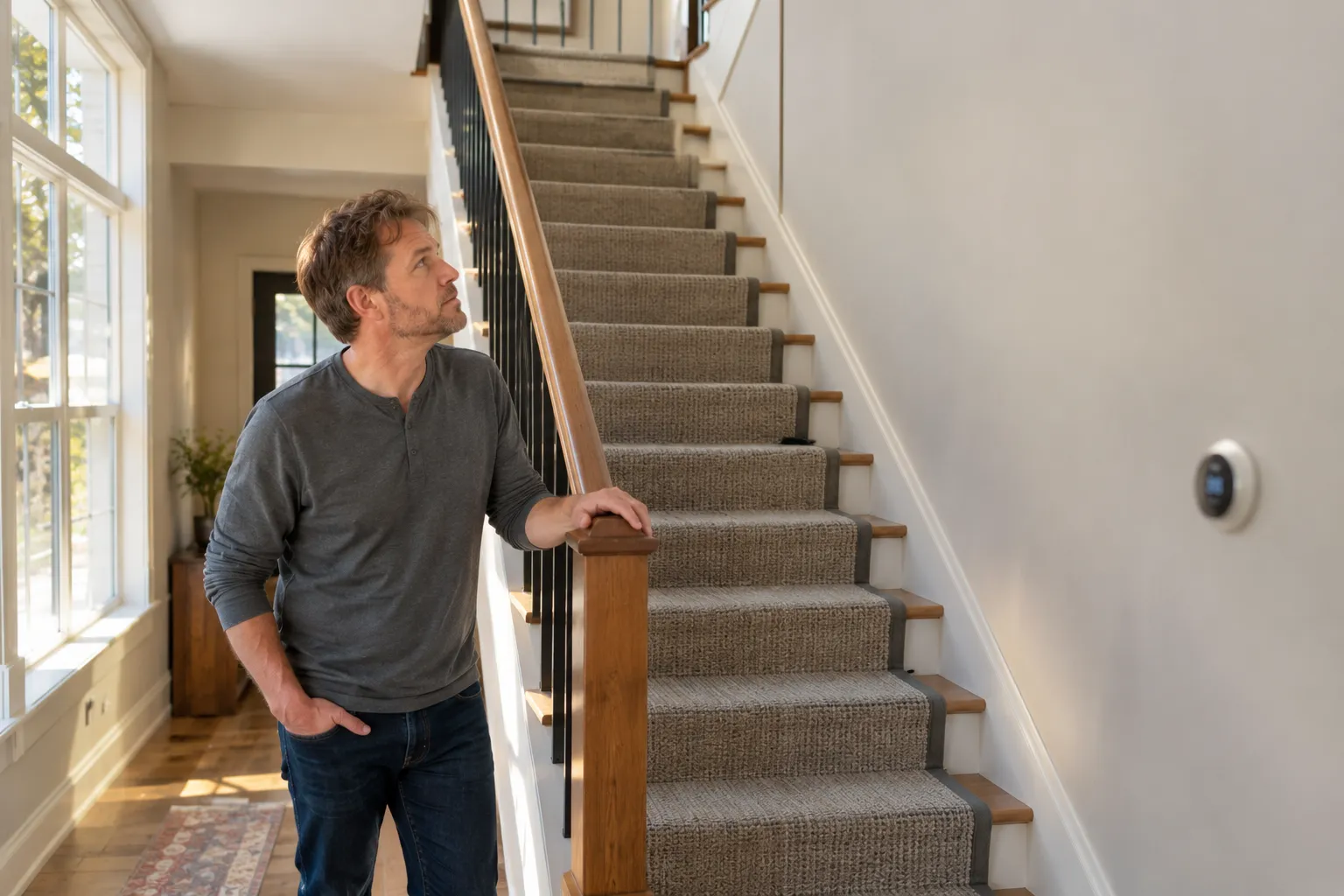
Two or more stories. Heat rises, and that basic physics works against any single-thermostat system in a multi-story home. Denver upper floors routinely run 8 to 10 degrees warmer than the main level in summer. Zoning lets you cool each floor independently.
A finished basement. Basements stay naturally cool and need less conditioning than above-grade floors. Without zoning, your system overcools the basement while struggling to keep up with the floors above. A separate zone lets you dial that back.
Rooms that always run hot or cold. South or west-facing rooms with large windows gain heat far faster than the rest of the house. A home office used daily but a guest room used rarely. Each is a strong case for a dedicated zone.
Different temperature preferences. If one person sleeps cold and another sleeps warm, zoning makes both possible without a thermostat compromise that satisfies nobody.
Homes with concrete slab foundations, high ceilings, large window walls, attic rooms, or significant sun exposure on one side are also strong candidates. A Comfort Pros system analysis will evaluate your layout and give you a clear recommendation.
What Does HVAC Zoning Cost in Denver?

Installation costs are driven primarily by the number of zones, your existing ductwork condition, and whether any electrical work is needed. For most Denver homes, a two-zone system covering upstairs and downstairs falls in the $2,000 to $4,500 range installed.
| Number of Zones | Approximate Installed Cost |
| 2 zones (upstairs and downstairs) | $2,000 to $4,500 |
| 3 zones (main floor, upstairs, basement) | $3,500 to $6,000 |
| 4 or more zones | $5,000 to $8,500 |
Homes with newer, well-maintained ductwork cost less to zone. If your ductwork needs work regardless, adding zoning during that project keeps both scopes efficient and cost-effective.
Comfort Pros provides transparent, upfront pricing after a free system analysis so you know the full cost before any work begins. Financing is available through Wells Fargo for qualifying homeowners at finance. Certain high-efficiency HVAC upgrades may also qualify for Xcel Energy rebates.
How Much Can Zoning Save on Your Xcel Energy Bill?
The U.S. Department of Energy estimates that HVAC zoning can save homeowners up to 30 percent on a typical heating and cooling bill. Real-world savings depend on your home’s layout and how many zones you create, but the mechanism is simple. When you stop conditioning rooms that do not need it, you stop paying to condition those rooms.
For a Denver homeowner spending $1,800 per year on heating and cooling, a 20 to 30 percent reduction represents $360 to $540 in annual savings. Over five to seven years that meaningfully offsets the installation cost, and your equipment runs fewer unnecessary hours, extending its lifespan as well.
Pairing zoning with a smart thermostat in each zone maximizes savings by automatically adjusting temperatures when zones are unoccupied. Comfort Pros installs and configures smart thermostats compatible with all major zoning control panels as part of a home comfort upgrade.
Can I Add Zoning to My Existing Denver HVAC System?
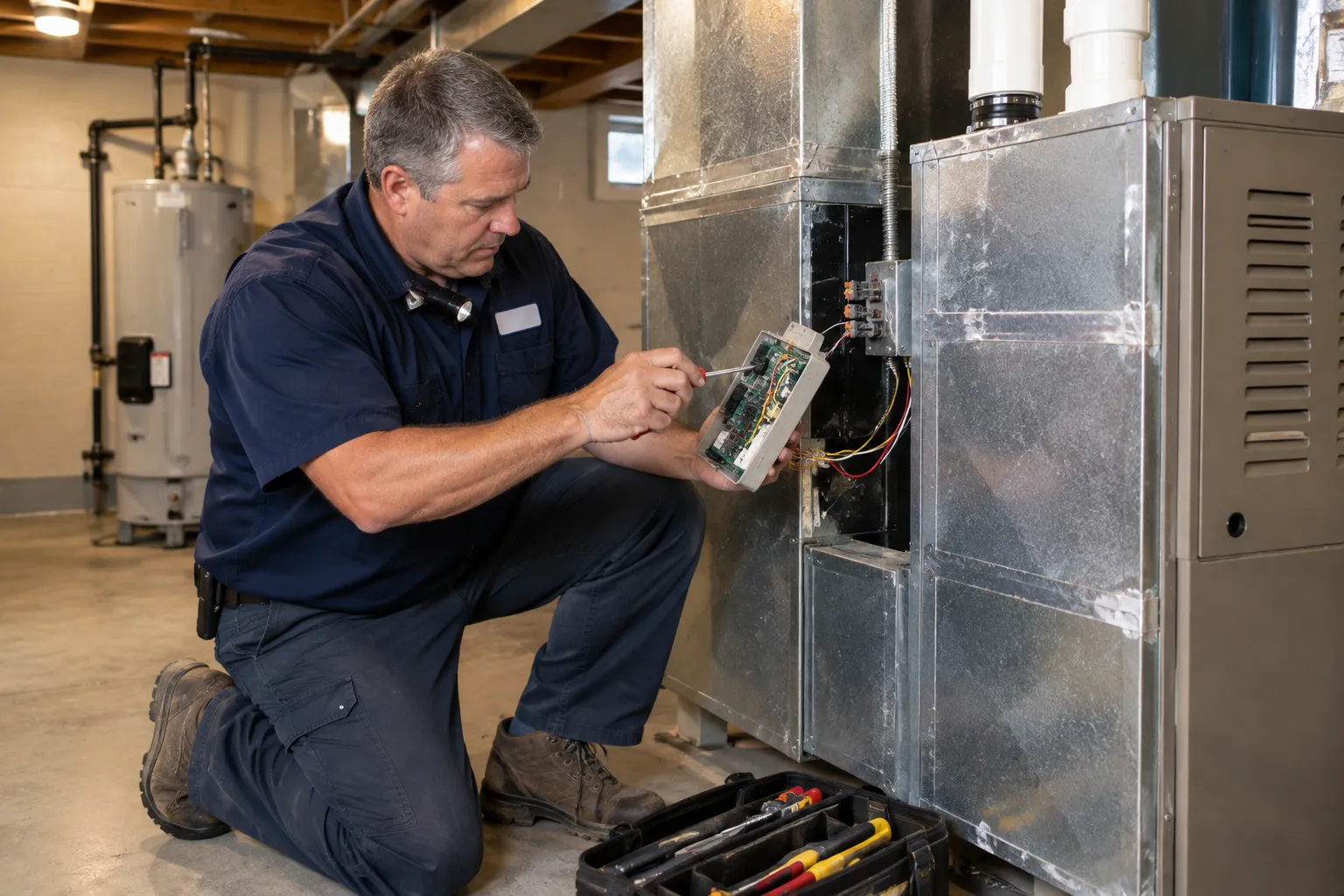
In most cases, yes. Zoning is retrofitted to an existing system by installing dampers into the current ductwork and adding a compatible zone control panel and thermostats. You do not need a new furnace or air conditioner.
The main variable is ductwork condition. Older ductwork in some Denver homes may have leaks, inadequate sizing, or layouts that need modifications before zoning can be added. A licensed HVAC technician will evaluate your ducts during a pre-install inspection and identify any prep work needed upfront.
Comfort Pros handles the full retrofit process including permits, ductwork assessment, zone panel installation, thermostat setup, and system commissioning. Every zone is tested and calibrated before we leave. For homes with existing central AC or a full heating and cooling system, adding zoning is a clean, well-defined project with a clear payback timeline.
Frequently Asked Questions
How many zones does my Denver home need?
Most two-story Denver homes do well with two zones: one for the upper floor and one for the main level, with the basement added as an optional third. Larger homes or those with significant sun exposure variation may benefit from three to four zones. A Comfort Pros technician will recommend the right number based on your floor plan during your free system analysis.
Does zoning require a new furnace or AC unit?
No. Zoning is added to your existing central HVAC system in most cases. The zone control panel, dampers, and thermostats work with your current equipment. If your system is already aging and due for replacement, combining both projects at once is efficient, but it is not a requirement.
Will closing vents in unused rooms do the same thing?
No, and doing so can damage your system. Closing supply registers creates static pressure buildup that stresses the blower motor and can crack the heat exchanger on a gas furnace over time. Motorized zone dampers are engineered to redirect airflow safely without damaging your system.
How long does HVAC zoning installation take in Denver?
A standard two-zone retrofit typically takes one full day for an experienced crew. Three or more zones, or installations requiring ductwork modifications, may take one to two days. Comfort Pros provides a clear timeline estimate during your system analysis.
Does Comfort Pros install HVAC zoning systems in the Denver metro area?
Yes. Comfort Pros installs and services zoning systems throughout Denver, Aurora, Boulder County, and the surrounding metro area. Every installation includes a free system analysis, transparent pricing, and full zone calibration before completion.
Stop Fighting Over the Thermostat
An HVAC zoning system is one of the most practical comfort upgrades a Denver homeowner can make, especially in a two-story home where a single thermostat cannot serve every floor equally. The energy savings are real, the comfort improvement is immediate, and the installation works with your existing equipment in most cases.
Comfort Pros is a family-owned Denver HVAC company with 40-plus years of combined experience. We bring honest advice and precise installation to every zoning project, with transparent pricing from the start.
