
Colorado wildfire smoke has become a recurring summer reality across the Denver metro area. When smoke rolls in from fires burning across the region, the air inside your home can become just as compromised as the air outside, sometimes more so. Portable air purifiers help in single rooms, but for genuine whole-home protection, they fall short. A whole-home air purification system integrated into your existing HVAC is the most effective and convenient way to protect your family’s indoor air quality all season long.
This guide breaks down how these systems work, what to look for, and why Denver and Colorado Front Range homeowners in particular benefit from getting this right.
Why Colorado Wildfire Smoke Is an Indoor Air Quality Problem


During active wildfire events, outdoor air quality in Denver can drop into the Unhealthy or even Hazardous range on the AQI scale. Many homeowners assume that closing windows and running the AC keeps smoke out. The reality is more complicated.
Standard HVAC systems circulate and condition air but are not designed to filter fine particulate matter at the level wildfire smoke demands. Smoke particles, especially the fine PM2.5 particles produced by wildfires, are small enough to pass right through a basic 1-inch air filter and circulate throughout your home every time your system runs.
Over time, breathing elevated concentrations of PM2.5 is associated with respiratory irritation, worsened asthma and allergy symptoms, and more serious cardiovascular concerns. For households with children, elderly family members, or anyone with a respiratory condition, the stakes are higher still.
A whole-home air purifier solves the problem at the source by treating every cubic foot of air that passes through your HVAC system before it reaches your living spaces.
How Whole-Home Air Purifiers Work
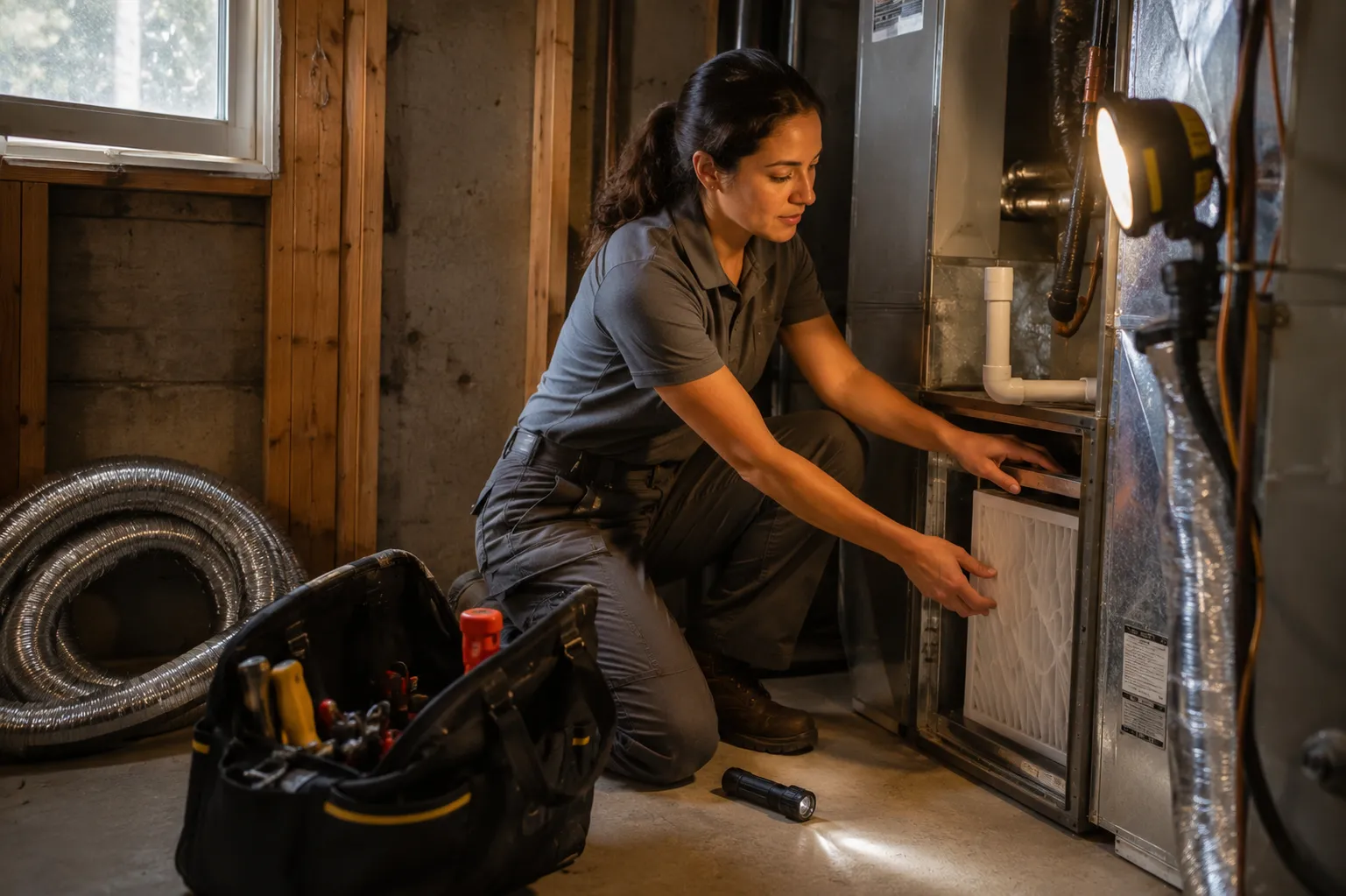
Unlike portable units that treat one room at a time, whole-home air purifiers are installed directly into your HVAC system, typically at the air handler or in the return air duct. Every time your system cycles, all the air in your home passes through the purifier before being distributed through your vents.
The most effective systems for wildfire smoke use one or more of the following technologies:
HEPA-grade filtration captures fine particles including smoke, dust, pollen, and pet dander. True HEPA filters capture 99.97 percent of particles at 0.3 microns, which covers the range where wildfire PM2.5 particles fall.
Activated carbon filtration addresses the gaseous components of smoke, the volatile organic compounds (VOCs) and odor molecules that HEPA filters alone do not capture. For wildfire smoke, activated carbon is a meaningful addition because smoke is not just particles. It also carries chemical compounds that affect air quality and cause that persistent smoky smell.
Electronic air cleaners and ionizers use an electrostatic charge to attract and trap particles on collection plates. These can be highly effective and are washable rather than replaceable, which lowers ongoing maintenance costs.
UV germicidal lights are often paired with filtration systems and are effective against biological contaminants like mold spores, bacteria, and viruses. While not targeted specifically at wildfire smoke particles, they contribute to overall indoor air quality improvement.
What to Look for When Choosing a System for Colorado

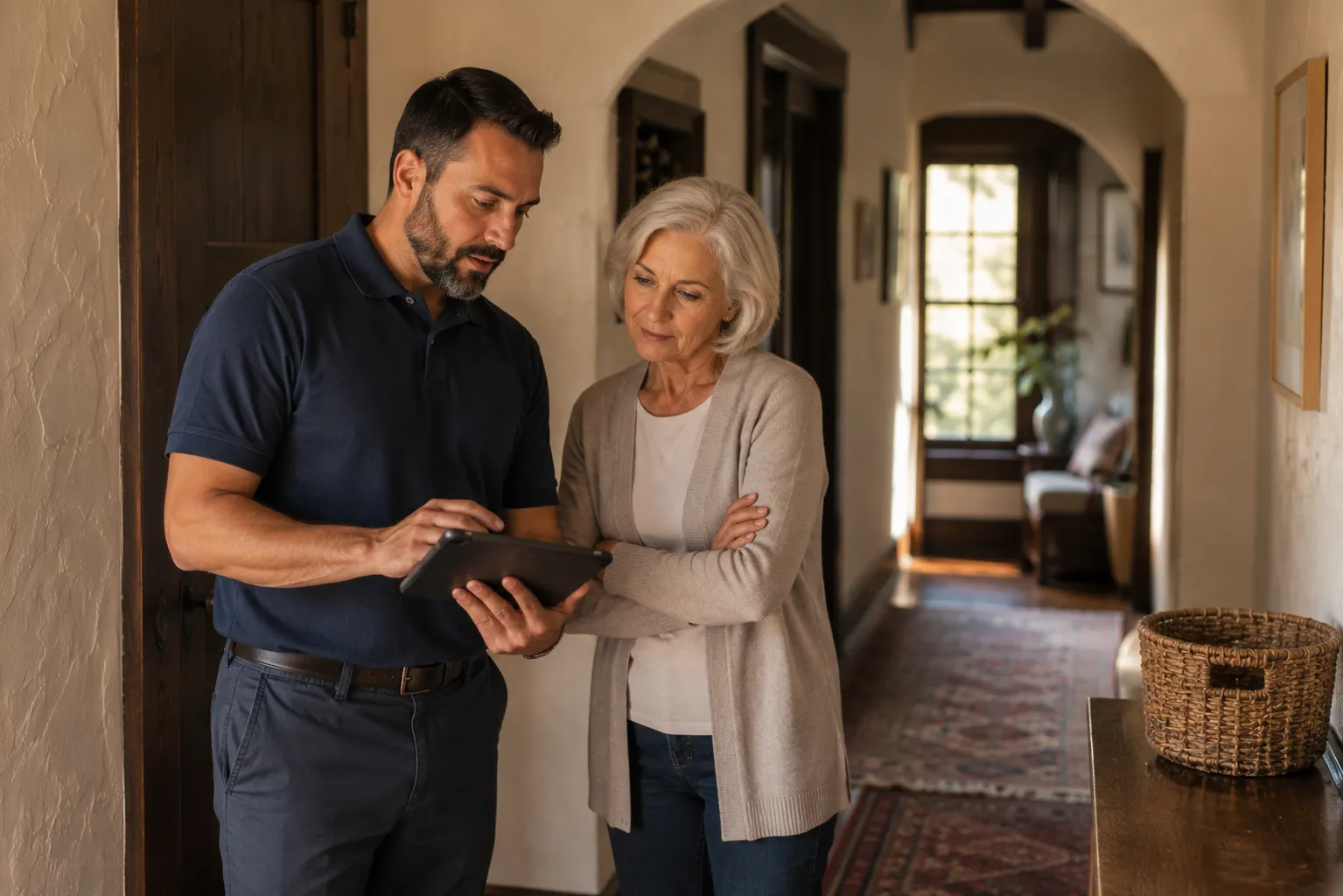
Not all whole-home air purifiers are created equal, and Colorado’s wildfire smoke profile has some specific requirements worth understanding.
MERV rating matters. The Minimum Efficiency Reporting Value (MERV) measures how effectively a filter captures particles. For wildfire smoke, look for systems rated MERV 13 or higher. Be aware that very high MERV ratings can restrict airflow in systems not designed for them, so it is important to have a licensed HVAC technician confirm compatibility with your existing equipment before upgrading.
Carbon stage for smoke odors. If your priority is wildfire smoke specifically, choose a system that includes an activated carbon stage alongside particulate filtration. This addresses the full chemical profile of smoke, not just the visible particles.
System sizing. A whole-home purifier needs to be matched to your home’s square footage and your HVAC system’s airflow capacity. Oversized or undersized systems underperform regardless of their technology rating.
Ease of maintenance. Some systems use disposable filters replaced annually or seasonally. Others have washable components. For Denver homeowners who want to set it and forget it between professional tune-ups, a system with longer service intervals is worth prioritizing.
Comfort Pros carries and installs whole-home air purification products compatible with Trane and most major HVAC brands. A free system analysis will match the right solution to your home’s existing setup.
Pairing Air Purification With Proper HVAC Maintenance
A whole-home air purifier performs best when your HVAC system is running efficiently. A dirty evaporator coil, a clogged filter, or an undersized blower reduces airflow through the purifier and limits how much air gets treated per cycle.
Before or alongside a purifier installation, it is worth scheduling a full AC tune-up and system inspection to make sure your HVAC system is moving the right volume of air. This is also a good time to check duct sealing, since leaky ducts can draw unfiltered outdoor air directly into your duct system, bypassing your purifier entirely.
If you are also dealing with Colorado’s notoriously low humidity levels, pairing a whole-home air purifier with a whole-home humidifier creates a more complete indoor environment. Proper humidity levels help the respiratory tract filter airborne particles more effectively, which complements what your purification system does mechanically.
Rebates and Incentives Worth Knowing About
For Eco-Savvy Denver homeowners, indoor air quality upgrades can sometimes qualify for incentives depending on the technology involved. Certain high-efficiency HVAC system upgrades that improve overall system performance, including integrated air quality components, may be eligible for Xcel Energy rebates or align with broader home efficiency improvements that qualify for federal tax credits under current energy programs.
The incentive landscape changes regularly, so always verify current eligibility before purchasing. Comfort Pros stays current on available programs and can walk you through what applies to your specific installation during your system analysis. Visit the Comfortpros for current details.
Signs Your Denver Home Needs Better Air Filtration

Not sure whether your current setup is adequate? Watch for these signals:
- A persistent smoky smell indoors during wildfire events even with windows closed
- Increased allergy or asthma symptoms during summer smoke season
- Visible haze or dusty appearance indoors when air quality is poor outside
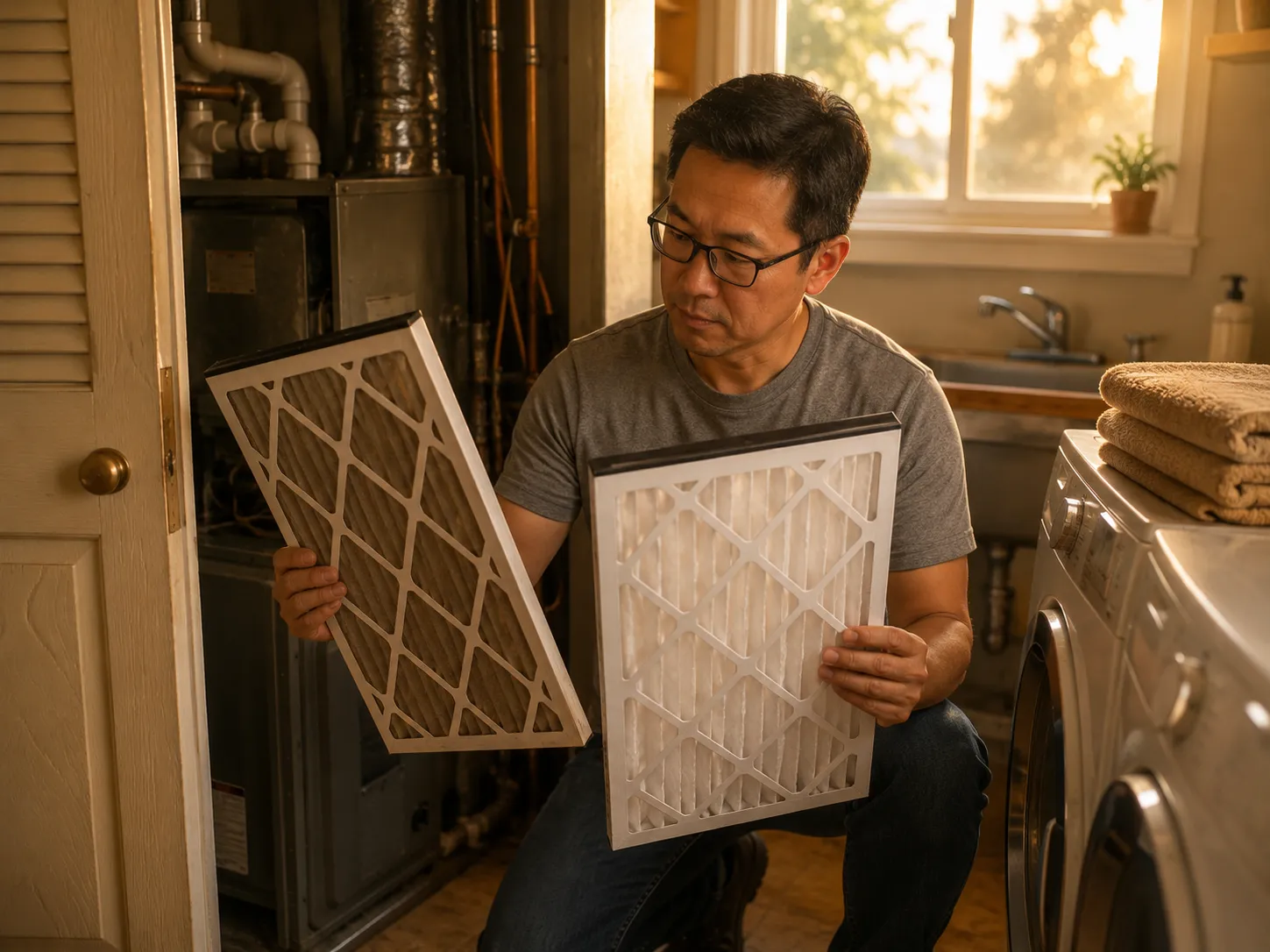
- HVAC filters that look visibly grey or brown within weeks of replacement during smoke season
- Family members waking up with congestion, dry throat, or eye irritation
- Pets showing signs of respiratory distress during high AQI days
Any of these is worth a conversation with an HVAC professional. In many cases, the fix is straightforward and the improvement in comfort and health is noticeable within days of installation.
Frequently Asked Questions
Do whole-home air purifiers actually remove wildfire smoke?
Yes, when properly sized and installed. Systems using MERV 13 or higher filtration combined with an activated carbon stage effectively capture fine particulate matter and the chemical compounds in wildfire smoke. A portable single-room unit cannot match the coverage or consistency of a whole-home system integrated into your HVAC.
How much does a whole-home air purifier cost to install in Denver?
Costs vary based on system type, your home’s size, and any ductwork or HVAC modifications needed for installation. Comfort Pros provides transparent, upfront pricing after a free system analysis.
Will a whole-home air purifier reduce my energy efficiency?
A properly matched system will have minimal impact on your HVAC efficiency. The key is ensuring the filter’s MERV rating is compatible with your system’s airflow capacity. A filter that is too restrictive for your blower can reduce airflow and strain the system. A licensed HVAC technician will confirm compatibility before installation.
How often do whole-home air purifier filters need to be replaced?
This depends on the system type. Disposable filters in high-efficiency systems typically last 6 to 12 months under normal conditions, though heavy wildfire smoke seasons may shorten that interval. Electronic systems with washable collection plates require cleaning every one to three months. Comfort Pros will advise on the specific maintenance schedule for whatever system is installed in your home.
Does Comfort Pros install whole-home air purification systems in the Denver area?
Yes. Comfort Pros installs and services whole-home air purification systems throughout Denver, Aurora, Boulder County, and the surrounding metro area. Every installation begins with a free system analysis. Call 303-945-4319 or book online at comfortpros.net to get started.
Breathe Easier This Wildfire Season
Colorado wildfire smoke is not going away, but breathing compromised air inside your own home is a problem you can solve. A whole-home air purification system is one of the highest-impact upgrades a Denver homeowner can make for their family’s health and daily comfort.
Comfort Pros is a family-owned Denver HVAC company with 40-plus years of combined experience and 575-plus five-star Google reviews. We carry and install whole-home IAQ systems designed to protect Colorado families through every smoke season.
