

Colorado summers can go from pleasant to punishing fast. Denver regularly sees stretches of 90-plus degree days, and at 5,280 feet, your air conditioner is already working in thinner air than systems at sea level. That combination makes pre-season AC preparation more important here than in most parts of the country. A system that sat idle all winter and gets switched on without any preparation is far more likely to struggle, run inefficiently, or break down right when you need it most. Here is a practical, step-by-step checklist to get your AC ready before the first heat wave hits.
Why Pre-Season AC Prep Matters More in Colorado
At Denver’s altitude, air density is lower, which affects how your AC compressor and fan motor perform. Add Colorado’s dramatic temperature swings, periodic wildfire smoke, and the dust and debris that accumulates during dry winters, and you have a recipe for a system that needs a fresh start each spring.
Skipping pre-season maintenance does not just risk a breakdown. It also means your system runs less efficiently all summer, which pushes up your Xcel Energy bill every month. A little preparation now pays for itself quickly.
Step 1: Replace or Clean Your Air Filter
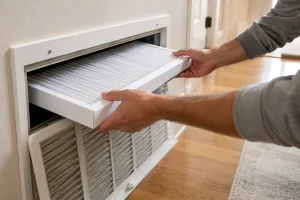
This is the single most impactful thing you can do before summer arrives. A clogged filter starves your system of airflow, which forces the blower to work harder and reduces cooling efficiency significantly. It can also cause the evaporator coil to freeze, turning a cheap filter swap into a costly repair call.
For most Denver homes, a 1-inch pleated filter should be replaced every 30 to 90 days during peak cooling season. If you have pets, live near a high-traffic road, or experienced nearby wildfire smoke last season, err toward the shorter end of that range.
If you have a thicker media filter (4 to 5 inches), those typically last up to a year but should still be inspected before summer starts.
Step 2: Clear the Area Around Your Outdoor Unit
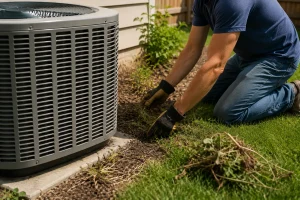
Your outdoor condenser unit needs at least two feet of clearance on all sides to pull in enough air to reject heat properly. Over a Colorado winter and spring, it is easy for weeds, grass, cottonwood fluff, dirt, and debris to build up around the unit.
Walk around your condenser and remove anything within a two-foot radius. Trim back any shrubs or plants that have grown close. Check that the unit is still sitting level on its pad, as settling over winter can sometimes shift the unit slightly, and unlevel installation puts extra stress on the compressor.
Do not use a pressure washer on the fins. A standard garden hose from the inside of the unit outward is the safe way to rinse debris from the coil fins if needed.
Step 3: Inspect the Refrigerant Lines
The refrigerant lines running between your outdoor condenser and indoor air handler should be wrapped in foam insulation. Check the exposed sections for any insulation that has cracked, deteriorated, or fallen off over the winter. Bare refrigerant lines lose efficiency and can indicate other issues worth having a technician look at.
If you notice ice forming on the lines when the system is running, or if the air coming from your vents is warmer than expected, low refrigerant could be the cause. Only a licensed technician can legally handle and recharge refrigerant in Colorado, so do not attempt this yourself.
Step 4: Test Your Thermostat Early
Do not wait for the first hot day to discover your thermostat is not working correctly. A few weeks before summer heat arrives, set your thermostat to cool and drop the target temperature below the current room temperature. Let the system run for 10 to 15 minutes and check that:
- Cool air is actually coming from the vents
- The system cycles off when the set temperature is reached
- The temperature reading on the thermostat is accurate
If you are still running an older manual thermostat, now is a great time to upgrade to a programmable or smart thermostat. A smart thermostat can reduce cooling costs by 10 to 15 percent by adjusting temperatures when the home is unoccupied. Comfort Pros can recommend and install compatible options as part of a home comfort upgrade.
Step 5: Check and Clean Your Indoor Vents and Registers
Walk through your home and check every supply and return vent. Make sure none are blocked by furniture, rugs, curtains, or stored items. Blocked vents create pressure imbalances in your duct system that reduce efficiency and can strain the blower motor over time.
If vents are visibly dusty or have not been cleaned in more than a year, wipe them down with a damp cloth. If you notice visible mold, significant debris buildup inside the ductwork, or musty odors when the system runs, a professional duct inspection may be worth scheduling before summer. Learn more about indoor air quality options at home-comfort.
Step 6: Schedule a Professional AC Tune-Up
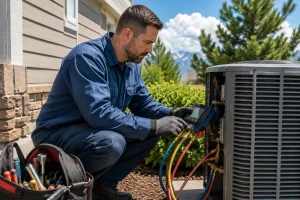
The steps above are solid DIY prep work, but they do not replace a professional inspection. A licensed HVAC technician performs checks that are simply not possible without specialized tools and training, including:
- Measuring refrigerant charge and checking for leaks
- Inspecting and cleaning the evaporator and condenser coils
- Checking electrical connections and capacitors for wear
- Measuring airflow and static pressure across the system
- Lubricating moving parts and checking belts where applicable
- Verifying the system is operating within manufacturer specs
A professional tune-up is the most reliable way to catch a small problem before it becomes an expensive breakdown in the middle of July. For a system that is older or has not been serviced in more than two years, it is especially important.
Comfort Pros offers comprehensive AC tune-up and maintenance services for Denver homeowners throughout the metro area, with transparent pricing and a technician who will walk you through exactly what they found.
When to Think About Replacement Instead of Prep
If your AC system is 12 to 15 years old or older, pre-season maintenance is still worth doing, but it is also a good time to have an honest conversation about system lifespan. If a technician finds a compressor issue, a refrigerant leak, or significant coil deterioration on an aging system, the repair cost may push you close to or past the 50% rule mentioned in our AC repair vs. replace guide.
Replacing before the system fails on the hottest day of the year gives you time to compare options, take advantage of rebates, and choose a new system on your timeline rather than in an emergency. Ask about current financing options if you are considering an upgrade this summer.
Frequently Asked Questions
When should I schedule AC maintenance in Denver?
Ideally before Memorial Day weekend, which historically marks the beginning of Denver’s sustained summer heat. Scheduling in April or early May also means you avoid the rush when every other homeowner is calling after the first 90-degree day. Comfort Pros recommends annual tune-ups before each cooling season.
How often should I change my AC filter in Colorado?
Every 30 to 90 days during active cooling season for standard 1-inch pleated filters. Colorado’s dry conditions and wildfire smoke can shorten that window. Thicker media filters can last up to 12 months but should still be checked before summer starts.
Can I run my AC if there is ice on the refrigerant lines?
No. Turn the system off and let it thaw, then call a technician. Running a system with frozen lines can damage the compressor, which is one of the most expensive components to replace. Ice typically signals restricted airflow or low refrigerant, both of which need professional attention.
Does Colorado’s altitude affect my AC system?
Yes. At 5,280 feet, air is less dense than at sea level, which affects how the compressor operates and how HVAC systems are properly sized and charged. This is one of the main reasons having a Denver-based technician familiar with local altitude conditions matters more than it might in lower-elevation cities.
Does Comfort Pros offer AC tune-up services in the Denver metro area?
Yes. Comfort Pros serves Denver, Aurora, Boulder County, and surrounding communities. Every service call includes a free system analysis and transparent, upfront pricing. Call 303-945-4319 or book online at comfortpros.net to schedule before the summer rush.
Do Not Wait for the First Heat Wave
A little preparation now is far less expensive than an emergency AC repair in July. Comfort Pros has been helping Denver homeowners get their systems ready for Colorado summers for decades, and our family-owned team brings honest advice and thorough workmanship to every job.
With 575-plus five-star Google reviews and 40-plus years of combined HVAC experience, we are the team Denver homeowners call first. Call 303-945-4319 or schedule online at comfortpros.net to book your AC tune-up before the summer rush begins.
