

If you grew up hearing that a heat pump can’t handle a Denver January, you are not alone, and a decade ago that advice was mostly right. Today’s cold climate heat pump is a different machine, built to keep heating when temperatures fall well below freezing. This guide explains how these systems work, how they perform in Denver and Boulder County weather, and what incentives are available.
Do Heat Pumps Work in Colorado Winters?
Yes. A modern cold climate heat pump works reliably in Colorado winters when it is correctly sized and installed for your home. Standard heat pumps lose heating capacity as the temperature drops, but cold-climate models are engineered and tested to keep heating well below freezing. Many are rated to deliver full heating output at 5°F and to keep running at temperatures below zero.
Trane’s cold climate heat pumps, for example, are designed to maintain full rated heating capacity at 5°F and continue operating at much lower temperatures. Denver’s average January low sits in the high teens, with a few nights near or below zero in many winters, so these systems are built for exactly the weather we get along the Front Range.
How Does a Heat Pump Heat Your Home When It’s Freezing Outside?
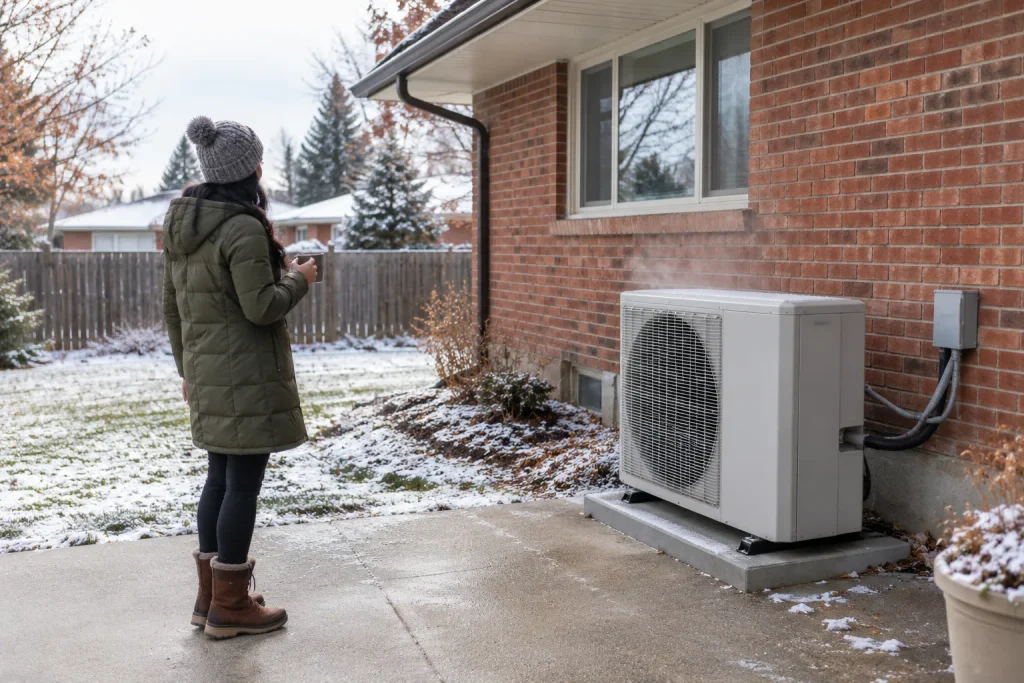
A heat pump heats your home by moving heat from the outdoor air into your house instead of burning fuel to create it. Even cold air contains heat energy. The outdoor unit absorbs it into a refrigerant, and the system carries that heat indoors.
Because it moves heat rather than making it, a heat pump typically delivers two to three times more heating energy than the electricity it uses in moderate cold. Efficiency does dip as outdoor temperatures fall, which is why cold-climate design matters. In summer, the same system reverses and works as your air conditioner, so one piece of equipment handles both seasons.
What Makes a Cold-Climate Heat Pump Different?
A cold-climate heat pump is built and tested specifically for low outdoor temperatures. Compared with a standard model, it typically includes:
- A variable-speed compressor that adjusts its output instead of cycling fully on and off, which keeps temperatures steady and efficient
- Verified cold-weather performance, with models on the NEEP cold-climate list typically keeping around 70% or more of rated heating capacity at 5°F
- Cold-weather refrigerant circuit and defrost controls designed to keep heat moving and clear frost from the outdoor coil
- Higher heating capacity relative to cooling capacity, which better matches heating-dominant climates like ours
- Backup heat options, such as electric backup or a gas furnace for the rare extreme cold snap
If you are shopping, look for the “cold climate” designation by name. A standard heat pump may look similar but is not designed for sustained single-digit weather.
How Do Cold-Climate Heat Pumps Perform in Denver Weather?

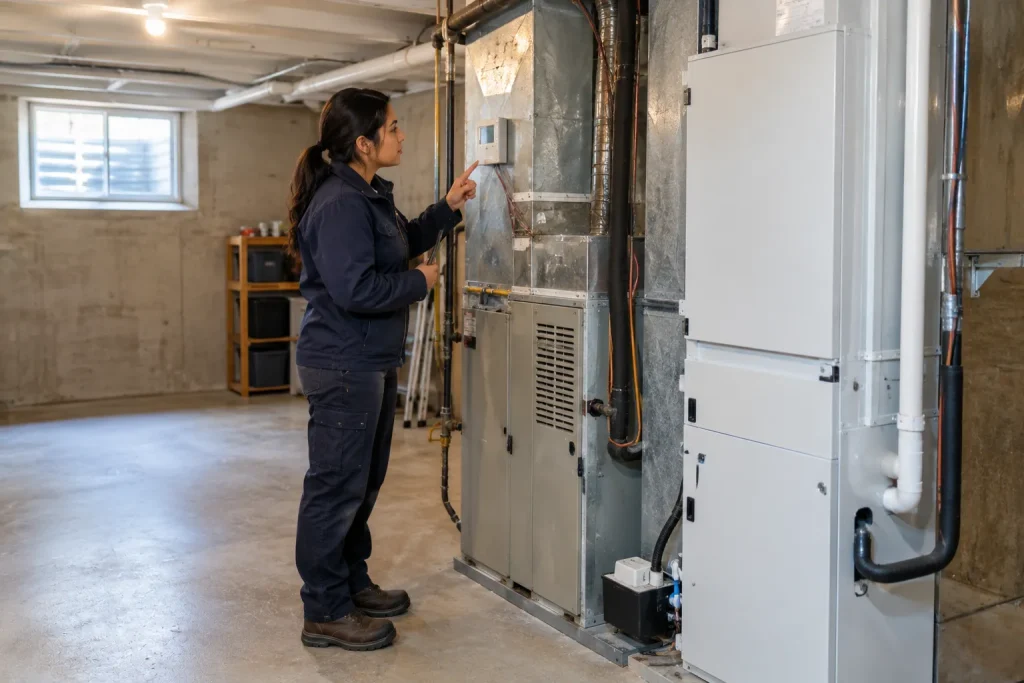
In Denver, a properly sized cold climate heat pump can carry most or all of your heating load through the winter, including cold snaps. Local conditions do shape the details:
- Altitude: At roughly 5,280 feet, equipment capacity needs to be calculated carefully. A heat pump has no combustion, so altitude affects it less than a gas furnace, but proper load calculations still matter.
- Dry, sunny winters: Denver’s low humidity means fewer heavy frost problems than damp climates, and sunny days often warm the outdoor unit.
- Defrost cycles: Seeing steam or light frost on the outdoor unit in winter is normal. Keep snow and ice cleared from around it.
- Backup heat: Many Colorado homeowners add electric backup or keep an existing furnace for the coldest nights.
Not ready to go all-electric? A dual fuel setup pairs a heat pump with a gas furnace. The heat pump handles most of the season, and the furnace steps in only when it is extremely cold. It is a good fit if you want to use less gas without giving up a familiar backup.
Cold-Climate Heat Pump vs. Furnace in Denver: What About Your Xcel Energy Bill?

Whether a heat pump lowers your Xcel Energy bills depends on what you heat with now, your home’s insulation, and current gas and electric rates. Natural gas is relatively affordable in Colorado, so the savings are not automatic. Heat pumps tend to shine when replacing electric resistance heat, propane, or an older, low-efficiency furnace, or when you also need a new air conditioner.
| Cold-Climate Heat Pump | Gas Furnace + Central AC | |
| How it heats | Moves heat using electricity | Burns natural gas |
| Cooling | Included in the same system | Separate AC unit |
| Efficiency | Typically 200% to 300% in moderate cold | Up to about 98% for high-efficiency models |
| Upfront cost | Often higher before rebates | Often lower |
| Incentives | Utility and state programs available | Fewer available |
| On-site combustion | None | Yes |
The honest answer for your home comes from real numbers. During a free system analysis, we compare your current equipment, ductwork, and usage so you can decide without a sales pitch.
Cold-Climate Heat Pump Rebates and Incentives in Colorado
Colorado homeowners can still find meaningful heat pump incentives, but the federal heat pump tax credit ended for systems installed after December 31, 2025. If a quote for a 2026 installation counts on a federal credit, ask questions.
Local and state programs continue, and they often favor cold-climate models:
- Xcel Energy offers heat pump rebates through qualified contractors, with higher rebates typically available for cold-climate models than for standard ones
- Colorado’s state heat pump tax credit can reduce your cost, and income-qualified households may have additional options
- United Power, the City and County of Denver, and Boulder County have offered their own heat pump incentives
Programs, amounts, and eligibility change, so check the current details on our rebates and tax credits page before you decide. If you would like to spread out the cost, ask about financing options.
Is a Cold-Climate Heat Pump Right for Your Denver Home?
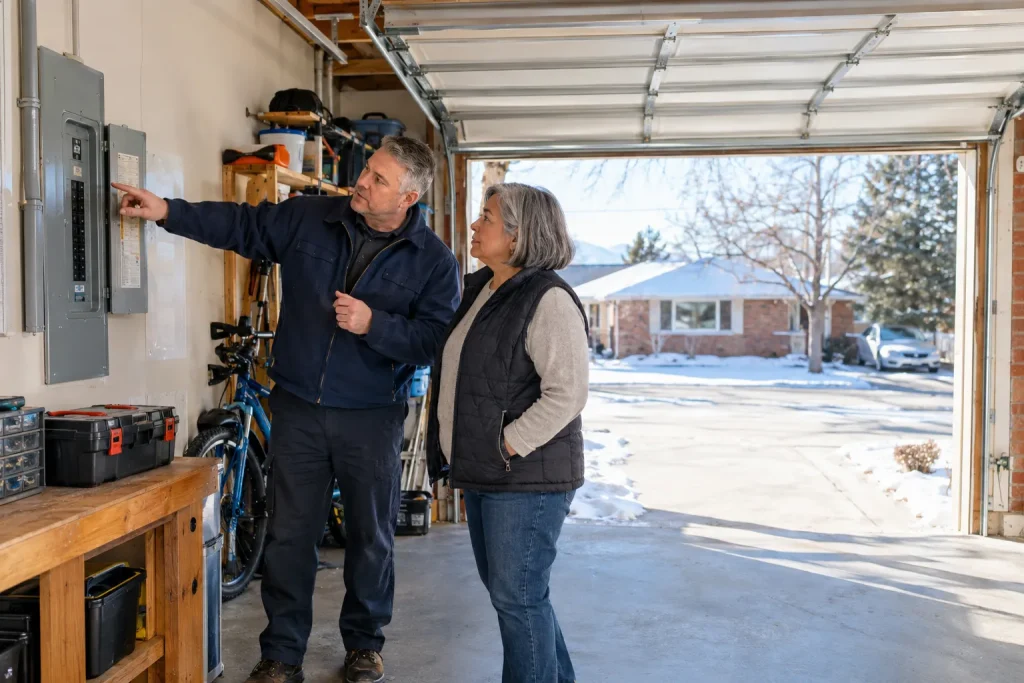
Alt text: Technician and homeowner review an electrical panel in an Aurora garage before a heat pump installation.
A cold-climate heat pump is often a strong fit if your furnace or AC is 10 to 15 years old, you want one system for heating and cooling, and your ductwork is in good shape. It can also make sense if you want to reduce gas use in your home.
A few situations call for a closer look first:
- A drafty home with little insulation may need air sealing or upgrades to get the best results
- Undersized or leaky ducts can limit performance
- An older electrical panel may need capacity for the new system
None of these are dealbreakers, just things a technician should check first. Learn more about our heat pump installation and repair services, or see our furnace services if you would rather keep gas as your main heat.
Frequently Asked Questions
At what temperature does a heat pump stop working?
Standard heat pumps typically start to struggle below about 20 to 30°F. Cold climate heat pumps are designed to keep heating well below zero, and many Denver systems include backup heat for extreme cold, so you are covered on the coldest nights.
Do I need a backup furnace with a cold-climate heat pump in Denver?
Not always. Many Front Range homes run on a cold-climate heat pump alone, sometimes with electric backup. Others choose dual fuel and keep a gas furnace for the coldest days. The right choice depends on your home’s heating load, which we measure during your system analysis.
Will a heat pump lower my Xcel Energy bill?
It depends on your current system, your home, and rates. Savings are most likely when you replace electric resistance heat, propane, or an aging furnace and air conditioner together. We will give you an honest estimate, even if the answer is that a high-efficiency furnace makes more sense.
Is it normal for my heat pump to steam or frost in winter?
Yes. Heat pumps run defrost cycles to melt frost off the outdoor coil, which can create steam. Keep snow and debris clear of the unit, and call a technician if heavy ice builds up and does not clear.
Can one heat pump replace both my furnace and my AC?
Yes. A heat pump heats in winter and cools in summer, so a single system can replace both. Many homeowners keep a furnace only as backup.
Ready to See if a Heat Pump Fits Your Home?
You do not have to guess. As a family-owned Denver company with 40+ years of combined experience, a 5.0-star Google rating from 575+ reviews, and Trane equipment backed by strong manufacturer warranties, the Comfort Pros team is happy to walk you through your options with no pressure.
Schedule your free system analysis today. Book online at comfortpros or call us at 303-945-4319. We proudly serve Denver, Aurora, Boulder County, and surrounding Colorado communities.
